
Health & Wellness
Ticks and fleas in Sri Lanka: a practical prevention routine
Quick summary
- Check the coat weekly and after outdoor walks.
- Clean bedding and living areas alongside pet care.
- Ask a veterinarian about a prevention plan suitable for your pet.
Why tropical weather matters
Warmth, humidity and vegetation can keep external parasites active through much of the year. Risk often rises after rainy periods and for pets that roam outdoors.
A simple inspection
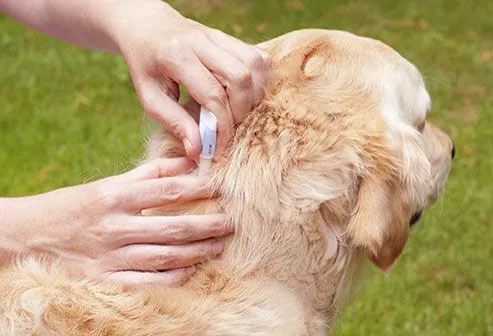
Use your fingertips to feel slowly through the coat, then look around the ears, neck, armpits, toes and tail base.
- Check after walks through long grass.
- Use good light and inspect the skin, not only the fur.
- Wash bedding regularly and let it dry completely.
Prevention is individual
Species, age, weight, health and lifestyle affect which prevention option is appropriate. A veterinarian can advise on safe timing and products, especially for cats, puppies, kittens or unwell pets.
What to do
- Keep a weekly check routine
- Treat the pet and environment as one hygiene plan
- Record unusual scratching or skin changes
What not to do
- Do not use a dog-only product on a cat
- Do not combine parasite products without veterinary advice
- Do not crush an attached tick with bare fingers
When to see a vet
This guide supports everyday care and does not replace an examination or diagnosis.
- Weakness, pale gums or fever
- Many ticks on a young or unwell pet
- Skin infection, swelling or persistent irritation
Related guides
Where genuinely useful
A relevant PetMa product
Products support a good care routine; they do not replace veterinary advice when your pet is unwell.
 Tick & Flea
PetMa Anti Tick & Flea Repellent Spray
Easy-apply tick & flea protection for dogs
In stock · 240 ml